Rekey or replace comes down to one question: does the lock itself still work well? Rekeying changes the pins inside the cylinder so old keys stop working while the lock stays on the door, and it's the right call after a move, a lost key or a roommate leaving.
Replacing swaps out the whole lock, which makes sense when the hardware sticks, took damage in a break-in, or when you want a stronger grade or a smart lock. Re-pinning usually costs less because no new hardware is bought. Apex Locksmith Pros rekeys locks on site in McKinney and the surrounding cities from $35+ per cylinder and can set several doors to one key in the same visit; smart lock installation starts from $169+. Use the quick decision guide below to see which service your doors need.
Need it handled today? Lock Rekeying Service from a licensed mobile locksmith in McKinney and nearby cities.
In this guide (6 sections)
What rekeying means
If you already know you want new keys for locks that work fine, the Rekeying Locks page covers how Apex Locksmith Pros does it on site and the $35+ per cylinder price. Here's what the difference is.
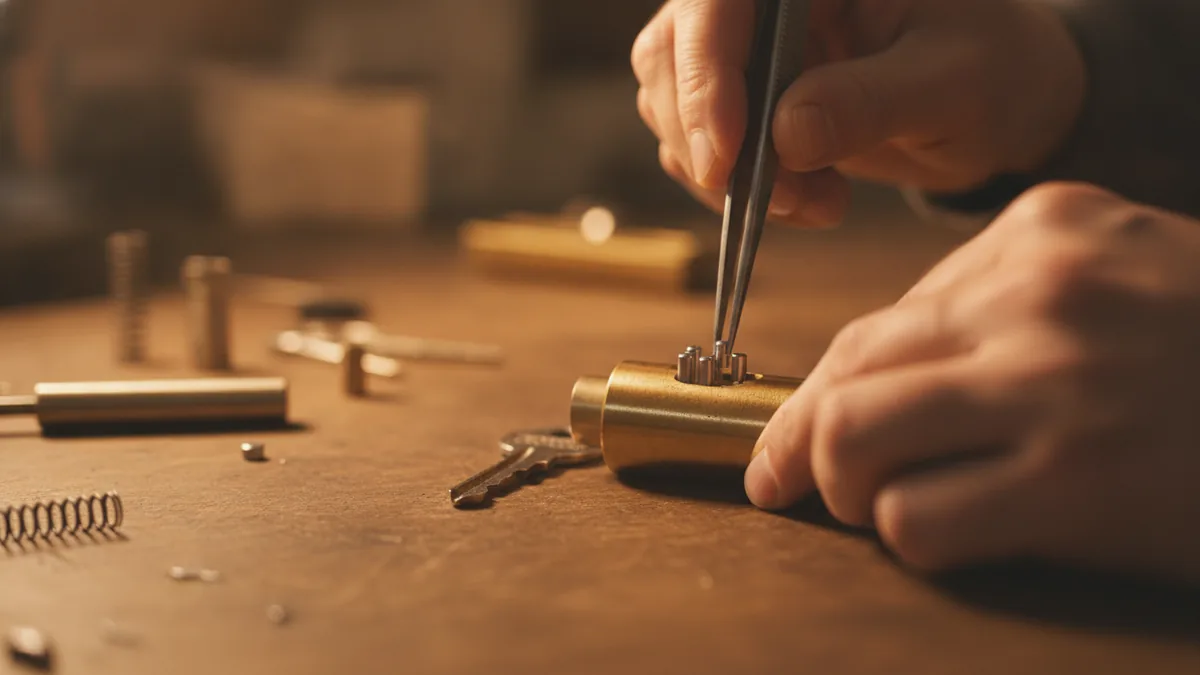
Rekeying changes the inside of your lock so the old keys stop working and a new key takes over. A locksmith pulls the lock cylinder, swaps out the small spring-loaded pins inside, and re-sets them to match a different key. The lock body, the deadbolt, the hardware on your door, all of it stays put. Only the key changes.
The big advantage is speed and price. Nothing gets uninstalled or bought. On a standard Schlage or Kwikset deadbolt, rekeying is quick work once the locksmith is at your door. Because the hardware stays, you can also key several locks to a single new key, so your front door, back door, and garage entry all open with one key instead of three.
Rekeying is the right call far more often than people expect. If the lock works fine and you just need different keys to control who gets in, this is your answer.
What replacing means and when you need it
Replacing means removing the entire lock and installing a new one. You'd do this when the lock itself is the problem, not just who holds the keys.
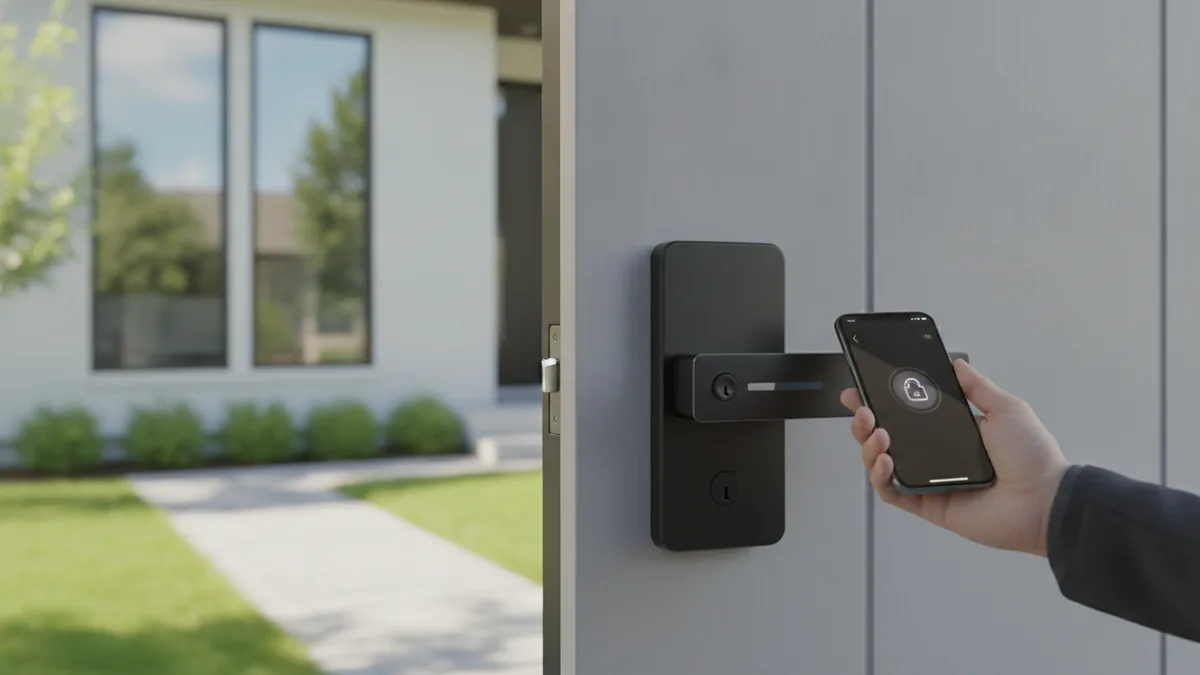
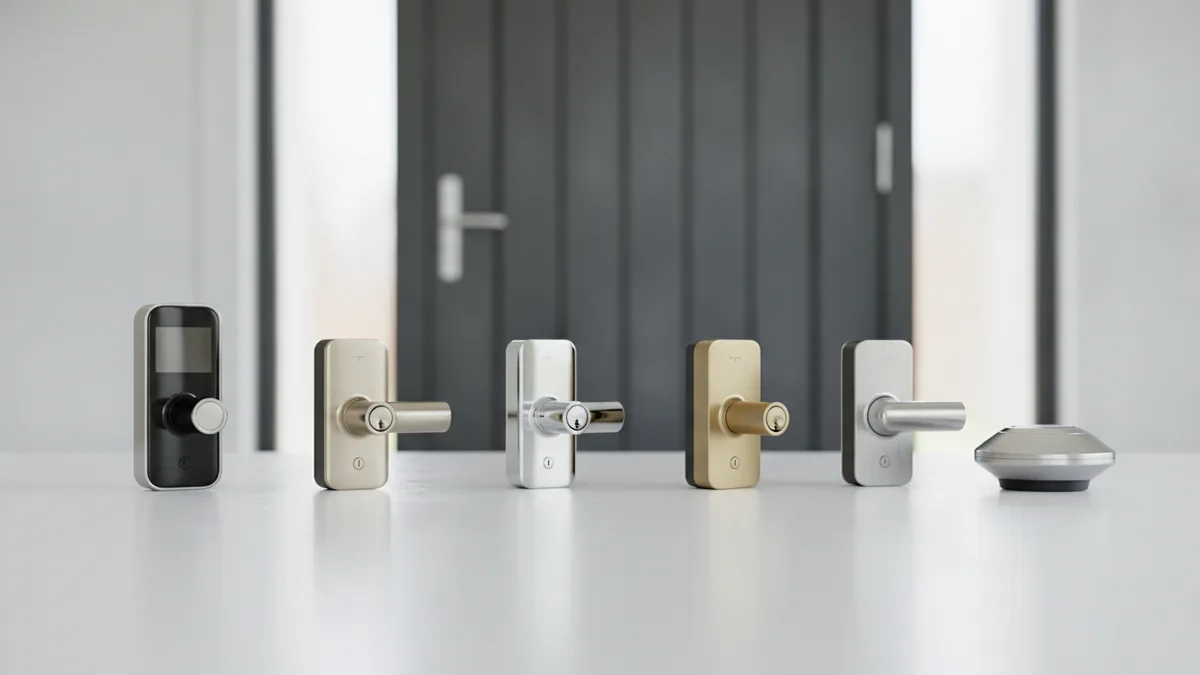
Replace when the lock is physically failing: the deadbolt sticks or grinds, the key turns hard or catches, the latch doesn't seat in the strike plate, or there's visible rust and wear from years of Texas heat and humidity. Replace after a break-in attempt, where the cylinder or housing may be damaged even if it still turns. Replace when you want a real security upgrade, like moving from a basic builder-grade Kwikset to a higher-grade Schlage, a Medeco, or a Mul-T-Lock with drill resistance and key control. And replace when you're switching to a smart lock or keypad and want to ditch keys altogether.
Replacing costs more because you're buying hardware on top of labor. But for a worn-out or compromised lock, it's the only fix that solves the problem.
A quick decision guide
Run through these questions and the answer usually becomes obvious.
- Does the lock work smoothly right now? If yes, lean toward rekey. If it sticks, grinds, or fights you, lean toward replace.
- Is this about who has keys, or about the lock's condition? New keys for a new tenant or after a lost key means rekey. A damaged or aging lock means replace.
- Do you want a security upgrade? If you want a stronger grade of lock or a smart lock, that's a replacement.
- How many doors share a key? If you want one key for several doors and the hardware is decent, rekeying to match is cheap and easy.
- Was there a break-in or attempted forced entry? Replace anything that took a hit, and have a locksmith inspect the rest.
If you land on rekey for most questions, you'll save money and time. If condition or upgrades keep coming up, budget for replacement.
Common rekey and replace situations around McKinney
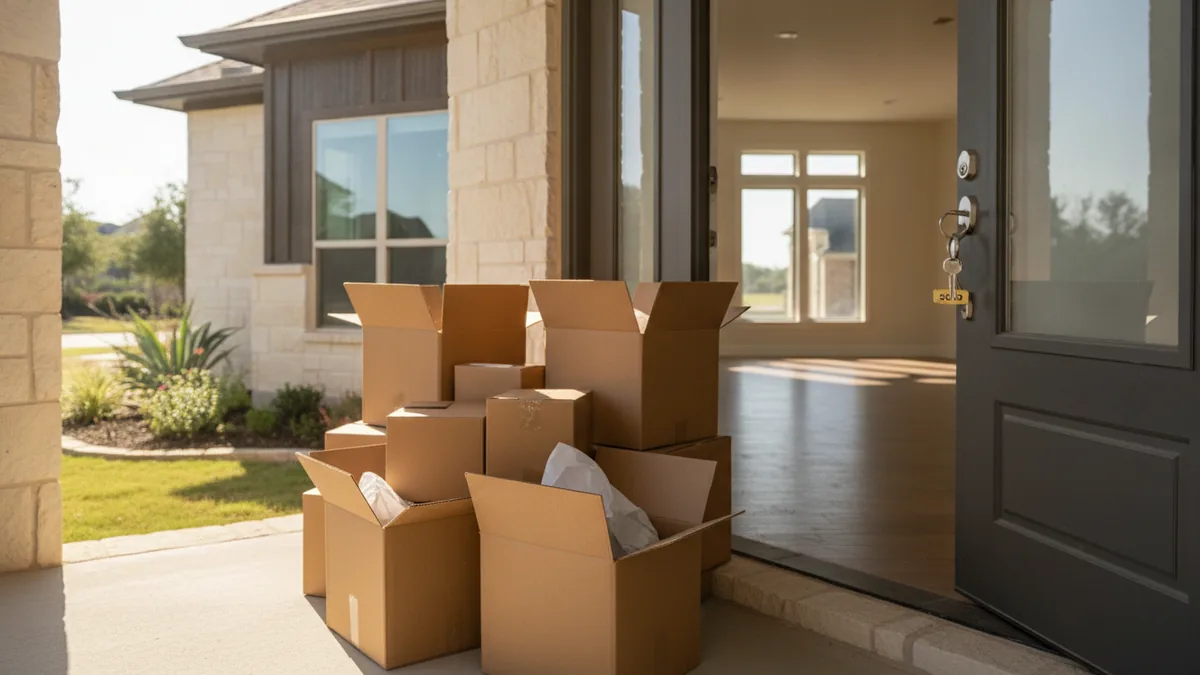
New-home closings drive a lot of calls in McKinney, Frisco, and Allen. When you buy a house, you have no idea how many copies of those keys are floating around with old owners, contractors, cleaners, and neighbors. Rekeying every exterior lock the day you get the keys is the fast, affordable way to lock down your home, and you can set them all to one key while you're at it.
Rentals and roommates are the other big one. A tenant moves out, a roommate leaves on bad terms, or you run a short-term rental in Plano and want fresh keys between guests. Rekeying resets control without the cost of new hardware every turnover.
Then there's wear. A lot of homes around McKinney still have the original builder-grade locks, and after enough hot summers the cylinders get gritty and the keys wear down. When the lock itself is tired, rekeying won't save it, and that's when replacement makes sense.
What each option typically costs
Rekeying is usually the cheaper route because there's no hardware to buy: at Apex Locksmith Pros it starts from $35+ per cylinder. Replacement adds the price of the new lock, and smart lock installation starts from $169+. The full price comparison lives in the quick answer Is It Cheaper to Rekey or Replace Locks?, linked below.
Describe your locks on the call and the dispatcher quotes a flat total before dispatch; the tech confirms the right move on-site from the exact hardware on your door.
What a rekey service visit includes
A rekey visit is shorter and cheaper than most people expect. The tech takes each lock cylinder out of the door, swaps the small pins inside for a new set, and puts it back. The old keys stop working, the new key works, and the lock, handle and finish stay exactly as they were.
We charge from $35+ per lock cylinder, and the dispatcher counts your cylinders on the phone so the total is set before the visit. A typical house has a front door deadbolt and knob, a back or patio door, and a garage entry door; matching them all to one new key is the usual request.
Rekeying works when the locks themselves are in good shape. If a lock is loose, damaged, sticking or you want a different style or a smart lock, replacement is the better call, and the tech tells you which locks fall into that group before doing anything.
Key takeaways
- Rekeying changes the pins inside the lock so old keys stop working; the hardware stays. It's the cheaper, faster fix when the lock is in good shape.
- Replace the lock when it's damaged, worn, sticking, hit in a break-in, or when you want a stronger grade or a smart lock.
- New homeowners should rekey every exterior lock on day one; you never know how many old keys are still out there.
- Rekeying lets you set several doors to one key, which is handy for new homes and rentals around McKinney and nearby cities.
- If the lock works and it's only about who holds keys, rekey. If condition or upgrades are the issue, replace.