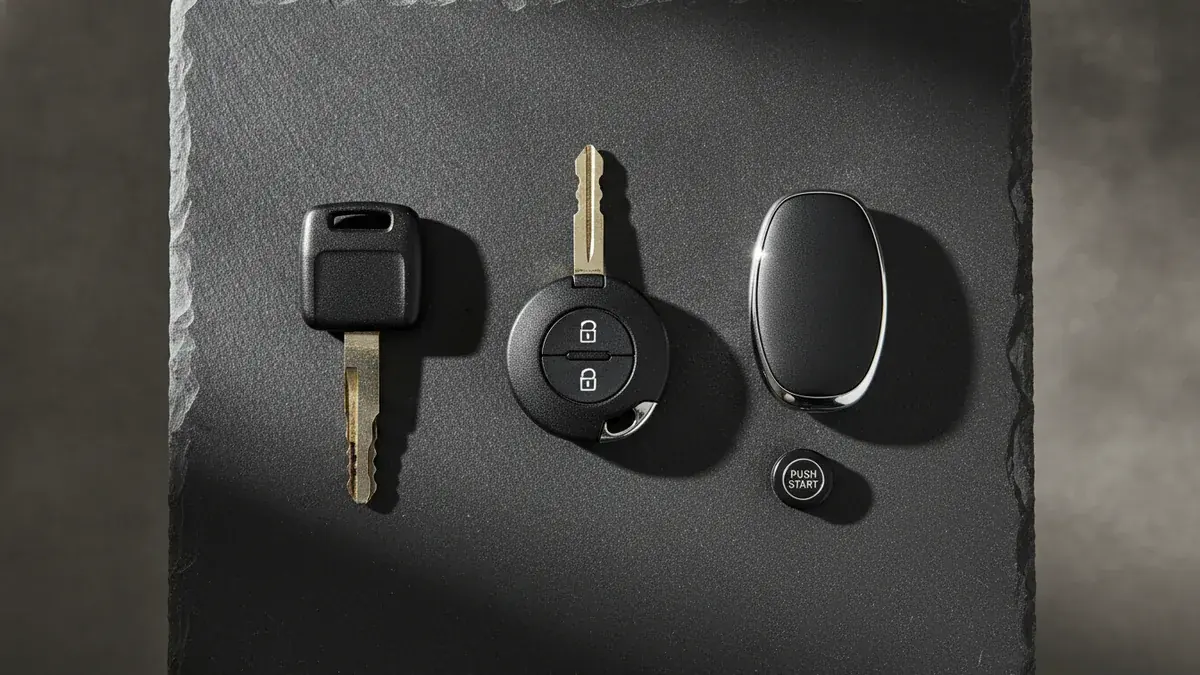
A transponder key is a metal key with a chip in its head that the car reads before it will start; a key fob adds lock and unlock buttons that talk to the car by radio; and a push-to-start smart key stays in your pocket while the car senses it nearby. Many vehicles combine two of these.
Nearly all of them carry a chip that has to be programmed to your specific car, which is why a hardware-store copy may open the door but won't start the engine. Apex Locksmith Pros cuts and programs car keys on site around McKinney and nearby cities, with key programming from $129+ and a spare from a working key from $119+. Below: how each type works, how to tell which one you have and what happens if you lose the only one.
Need it handled today? Car Key Programming from a licensed mobile locksmith in McKinney and nearby cities.
In this guide (5 sections)
The Three Types, In Plain English
Most cars on the road today use one of three setups, and a lot of them mix more than one.
A transponder key looks like a regular metal key, often with a chunky plastic head. Inside that head is a tiny chip. When you put the key in the ignition and turn it, the car reads the chip's code. No correct code, no start. These showed up on most vehicles starting in the mid-to-late 1990s.
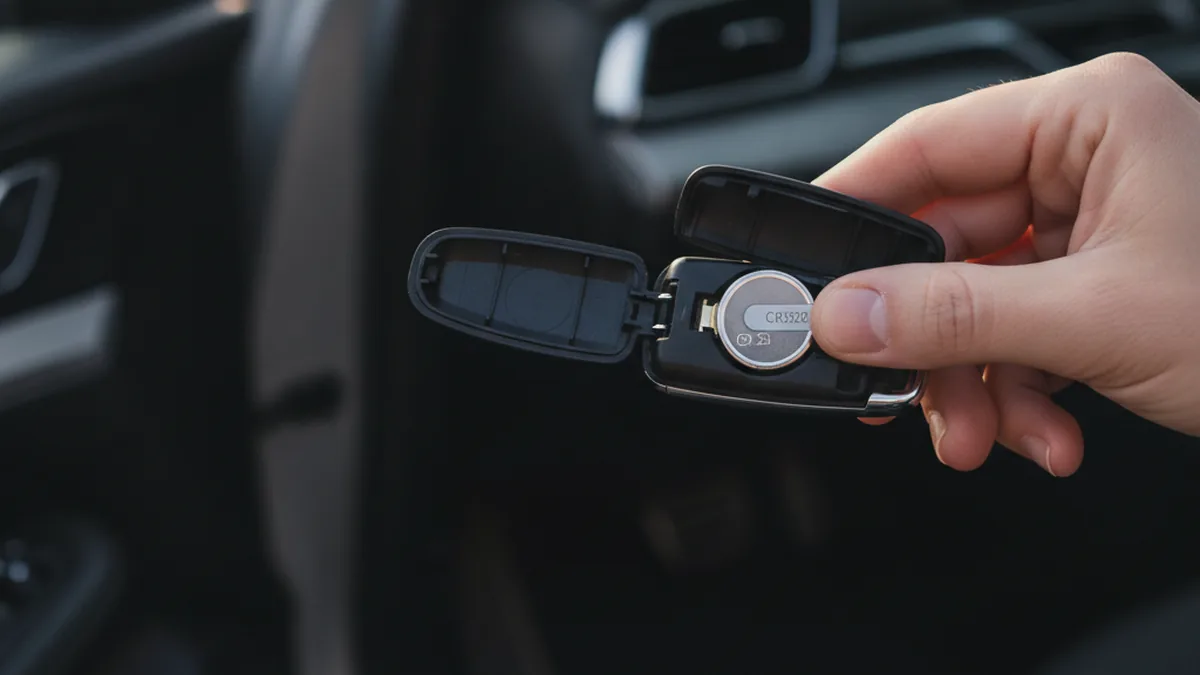
A key fob (or remote head key) adds buttons: lock, unlock, panic, sometimes a trunk or remote-start button. The fob talks to the car over radio. Some fobs are a separate clicker that rides on your keyring next to a transponder key. Others combine everything into one piece, where the metal blade folds out or slides out of the fob body.
Push-to-start (also called proximity, keyless, or smart key) is the newest of the three. You keep the fob in your pocket or bag, the car senses it's nearby, and you start the engine with a button. There's no key to turn at all, though most of these fobs still hide a small mechanical blade inside for the door, just in case the battery dies.
Why a Chip Changes Everything
The chip is the whole reason a copied key often doesn't work. A locksmith or hardware store can cut a blade that fits your lock perfectly, and the door might even unlock with it. But if the car doesn't recognize the chip's code, the engine won't turn over, or it'll start and immediately shut off.
That security feature is called an immobilizer, and it's why car key duplication isn't the quick job it used to be. The cut handles the mechanical side. The programming handles the electronic side. You need both for the key to drive the car.
This is also why a key that worked fine yesterday can suddenly act dead. A drained fob battery, a glitch after a dead car battery, or a worn chip can all break that handshake between key and car even when nothing looks wrong on the outside.
Need a key made or programmed? Call and get a flat price before anyone drives out.
What Cutting vs. Programming Actually Means
It helps to separate the two jobs, because they're priced and done differently.
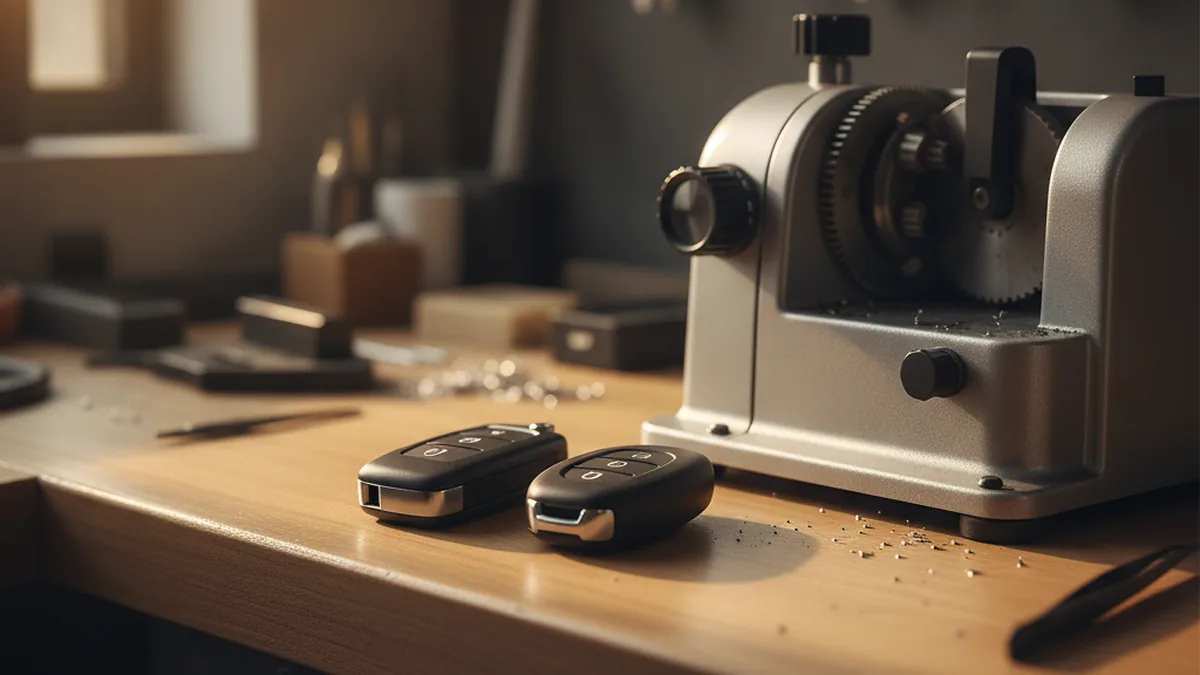
Cutting is shaping the metal blade. A locksmith reads your existing key, or decodes the lock using a tool like a Lishi pick, or pulls the cut code from your VIN. The result is a blade that physically fits and turns in the door and ignition.
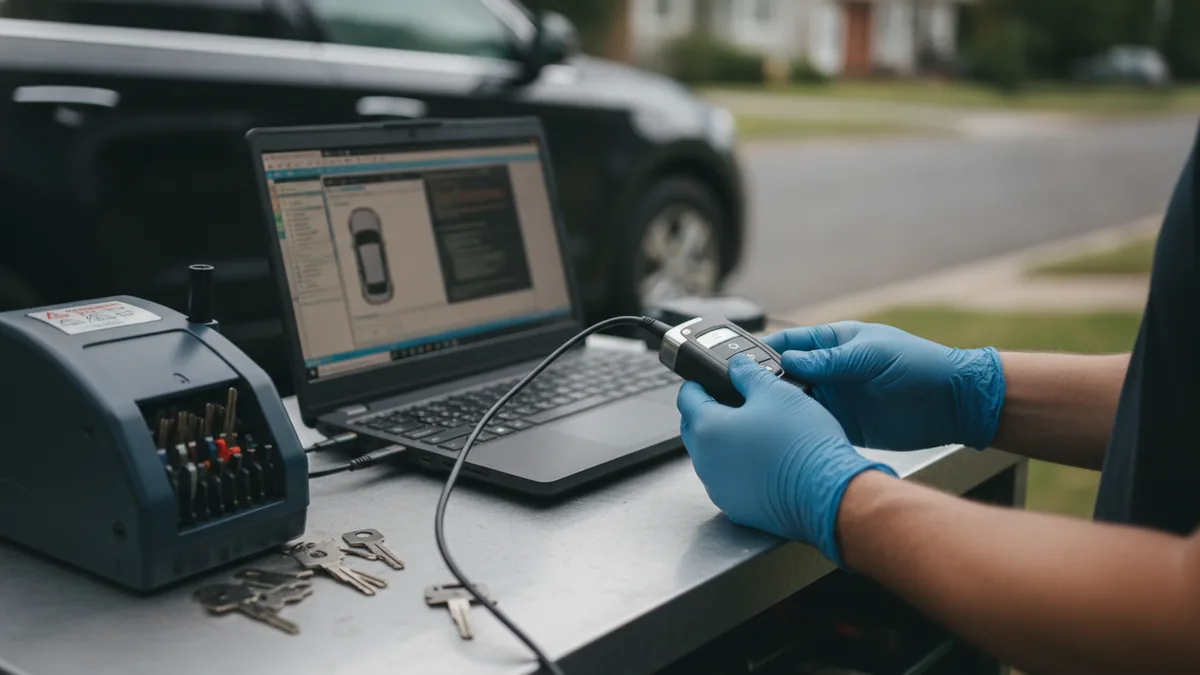
Programming is teaching the car to trust the new key's chip. This is done by plugging into the vehicle's OBD port (usually under the dash on the driver's side) and using a programming tool to register the new key to the immobilizer. On many cars, brand-new keys also have to be cut to match before programming will take.
At Apex Locksmith Pros, car key programming starts from $129+, a spare from a working key starts from $119+, and an all-keys-lost replacement starts from $129+. Proximity smart keys for newer vehicles run higher because the blank fobs themselves cost more and the programming is more involved. Exact pricing depends on your make, model, and year, so it's worth confirming before anyone starts.
How to Tell Which One You Have
Not sure what's on your keyring right now? Run through this quick check.
- Look at the key itself. A plain metal key with no plastic head is likely a basic key with no chip (common on older cars and some truck beds or glove boxes). A metal key with a thick plastic head is probably a transponder.
- Check for buttons. Buttons for lock and unlock mean you have a fob or a remote head key.
- Look at how you start the car. If you turn a key in the ignition, you have a transponder or remote head key. If you press a button to start and never insert a key, you have push-to-start.
- Feel the smart fob for a hidden blade. On push-to-start systems, there's usually a small release that pops out a thin emergency key blade. That blade opens your door if the fob battery dies, but it won't start the car on its own.
Knowing which type you have makes any call to a locksmith faster, because we can quote the right blank and the right programming up front.
What Happens If You Lose the Only One
Losing your only key is the situation that catches people off guard, especially with push-to-start.
With a spare in hand, making a copy is straightforward. We program an additional key alongside the one the car already knows. With no working key at all, it's a bigger job. The car has nothing to copy from, so a locksmith has to generate a key from scratch, pull the code from your VIN, and in some cases erase the old keys from the immobilizer entirely so a lost fob can't start your car.
That all-keys-lost scenario is why we always suggest having at least one spare programmed before you need it. A spare made on a calm afternoon in your Frisco or Plano driveway costs less and takes far less time than an emergency call after your only fob goes missing at the lake. Either way, the part that makes the new key drive your specific car is the programming, and that's the step a hardware-store copy can't do.
Key takeaways
- Transponder keys, fobs, and push-to-start differ mainly in how you start the car, but nearly all of them carry a chip that has to match your vehicle.
- Cutting the metal blade and programming the chip are two separate jobs. A copy without programming may open the door but won't start the engine.
- Car key programming at Apex starts from $129+; proximity smart keys cost more because the blanks and programming are pricier.
- Programming usually happens through the car's OBD port under the dash and registers the new key to the immobilizer.
- Get a spare programmed before you lose your only key. An all-keys-lost job is slower and more expensive than a simple spare made ahead of time.