You can get a duplicate car key from a mobile locksmith or the dealer; a hardware store can only copy old non-chip metal keys, because a copy without a programmed chip may turn the lock yet leaves the engine dead. Copying a working key is the cheap route, since the car already trusts that code.
Losing the last key means a key cut from scratch and programmed to the immobilizer, which costs much more. Apex Locksmith Pros makes spare car keys from a working key on site across McKinney and nearby cities from $110+, compared with from $229+ for a replacement once every key is lost. Have the key that still works on hand, along with a driver's license whose name matches the car's registration. Keeping two keys stored apart covers most drivers.
Need it handled today? Car Key Replacement from a licensed mobile locksmith in McKinney and nearby cities.
In this guide (5 sections)
Why a copy is cheap and a from-scratch key is not
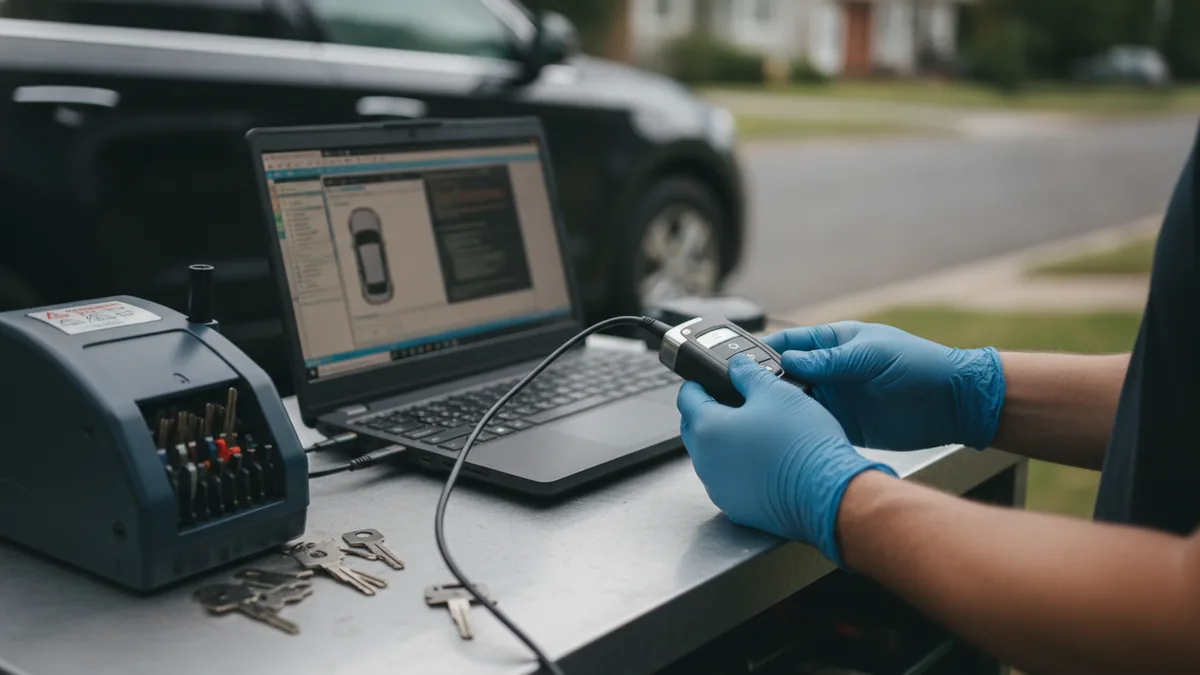
When you still have a working key, a locksmith can read it and clone the chip, which is quick and inexpensive. The car already trusts that code, so there is little programming to do.
Lose every key and the math flips. Now a key has to be cut from scratch and the car's computer has to be taught to trust a code it has never seen, which is skilled work and the main reason a last-key replacement costs much more than a copy. Making the spare now, while copying is still on the table, is the whole point.
Where you can get a duplicate
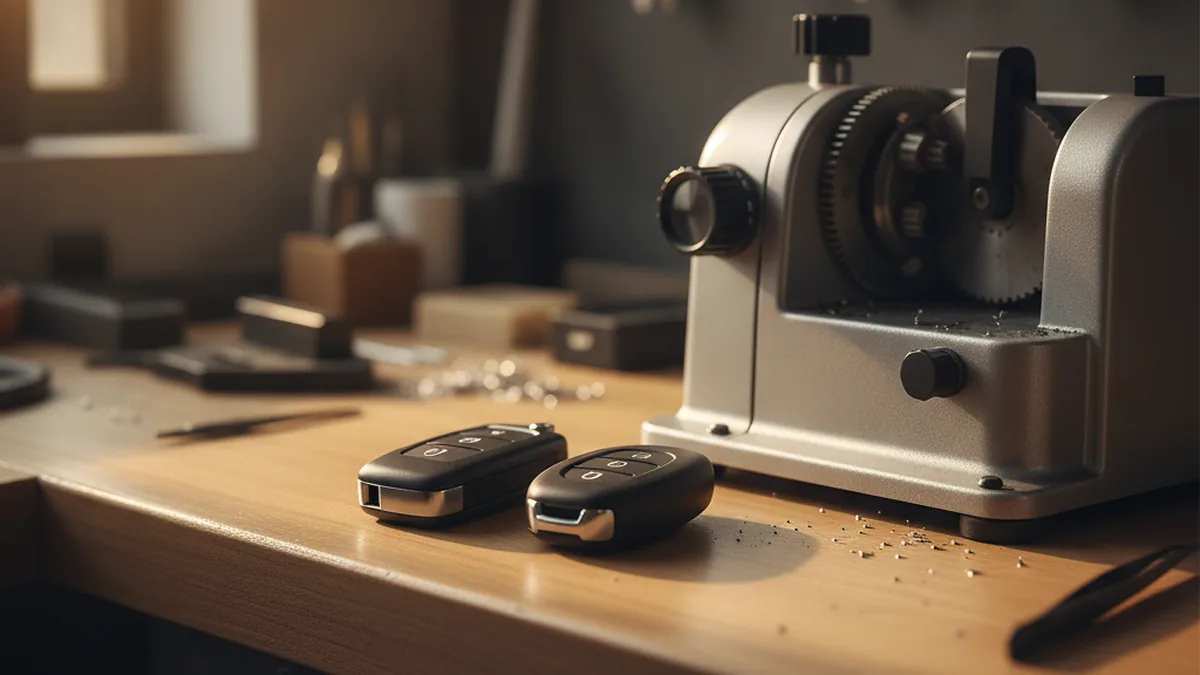
A hardware store can copy a plain metal key, but most cars built since the late 1990s use a transponder chip, and a hardware copy of that will open the door and never start the engine. That is the trap a lot of people fall into.
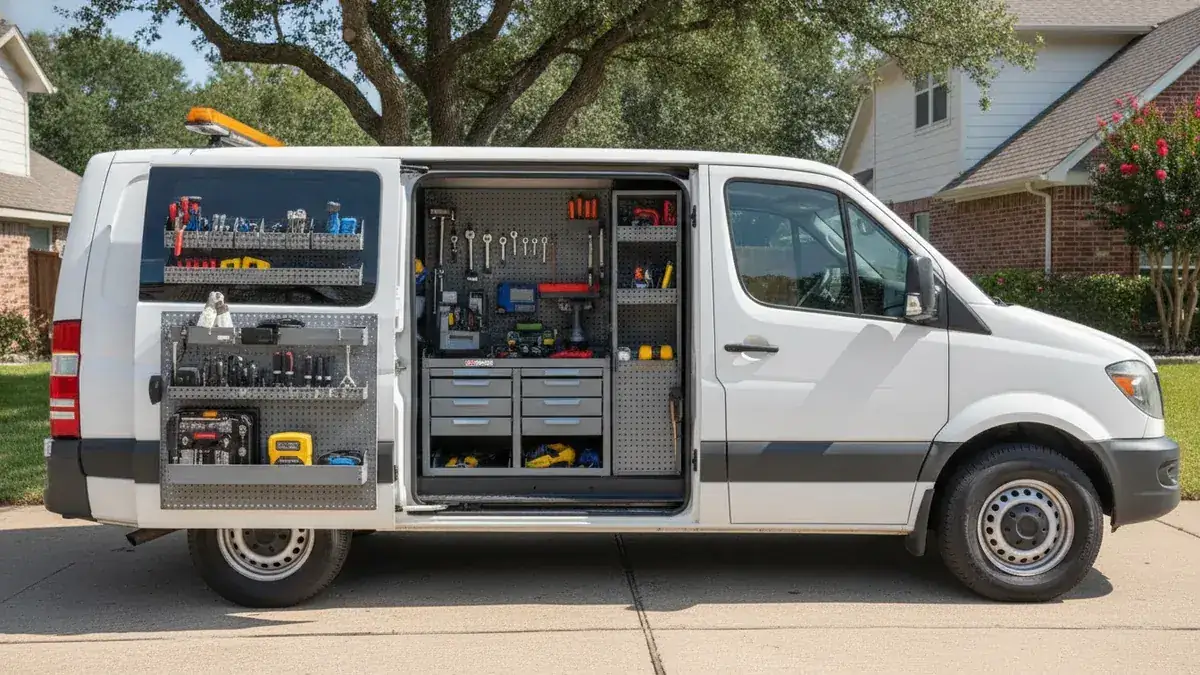
Your real options are the dealer or a mobile locksmith. The dealer can do it but means an appointment and dealer pricing. A mobile locksmith comes to your driveway in McKinney, Allen, or Plano, copies the cut, and clones or programs the chip on the spot, usually for less and without the trip.
Need a key made or programmed? Call and get a flat price before anyone drives out.
What a duplicate costs by key type
The exact number depends on the key type. At Apex Locksmith Pros, a spare from a working key starts from $110+ and key programming from $129+, while a replacement after every key is lost starts from $229+. A basic non-chip metal key is the simplest copy. Transponder keys need the chip cloned or programmed, flip keys and remote-head keys cost more, and proximity and push-to-start smart fobs are the priciest to duplicate, since the fob hardware itself costs real money.
Your year, make, and model set the final number, and the dispatcher quotes it as a flat total on the phone before dispatch, with no call-out fee.
What to have ready when you call
Three things make the visit fast: your year, make, and model, the working key you want copied, and a photo ID that matches the registration. A reputable locksmith asks for proof the car is yours before making any key, which is a feature, not a hassle.
Then ask two questions up front: does the price include cutting and programming, and can they do your exact vehicle on site. Clear answers there save you from surprises and from the rare case that needs a dealer.
How many spares, and where to keep them
Two working keys is the sweet spot for most families: one in use and one stored. If two people drive the car or you have a teen on a learner's permit, a third is reasonable.
Keep the spare somewhere it will not vanish and not in the same bag or hook as the primary, since a single mishap should never take out both. A spare across town beats any roadside option, and it turns a future lost-key day into a quick copy instead of a from-scratch replacement with a tow.
Key takeaways
- Copying a working key is cheap because the car already trusts the code; a last-key replacement costs much more.
- A hardware-store copy of a chipped key opens the door but will not start the car, so most modern keys need a locksmith or dealer.
- A mobile locksmith duplicates most keys in your driveway, often for less than the dealer and with no appointment.
- At Apex a spare from a working key starts from $110+, versus from $229+ once every key is lost.
- Keep two working keys, stored apart, so one lost key is never a full emergency.